Coating Becomes Core Industrial Layer as Manufacturing Standards Tighten
Jul 03,2026
Coating used to be the final step. Now it is often the first specification engineers talk about.
In factory design meetings, it shows up earlier than expected—right next to material selection and structural planning. The reason is simple: equipment is no longer just built, it is exposed to harsher operating environments from day one.
Walk into a shipyard, and coating is not “paint work.” It is corrosion strategy.
Inside an electronics plant, it is not “surface finishing.” It is insulation control.
On a bridge project, it is not decoration. It is lifespan engineering.
That shift is changing how coating is purchased and specified.
Procurement teams are no longer asking “what color,” but “what resistance profile.” Chemical exposure, humidity cycles, abrasion levels—these have become standard checklist items.
At the same time, application methods are getting more industrialized. Spray systems are replacing manual brushing in mid-scale projects. Multi-layer coating stacks are being pre-designed instead of decided on-site.
Even product development is splitting into two tracks:
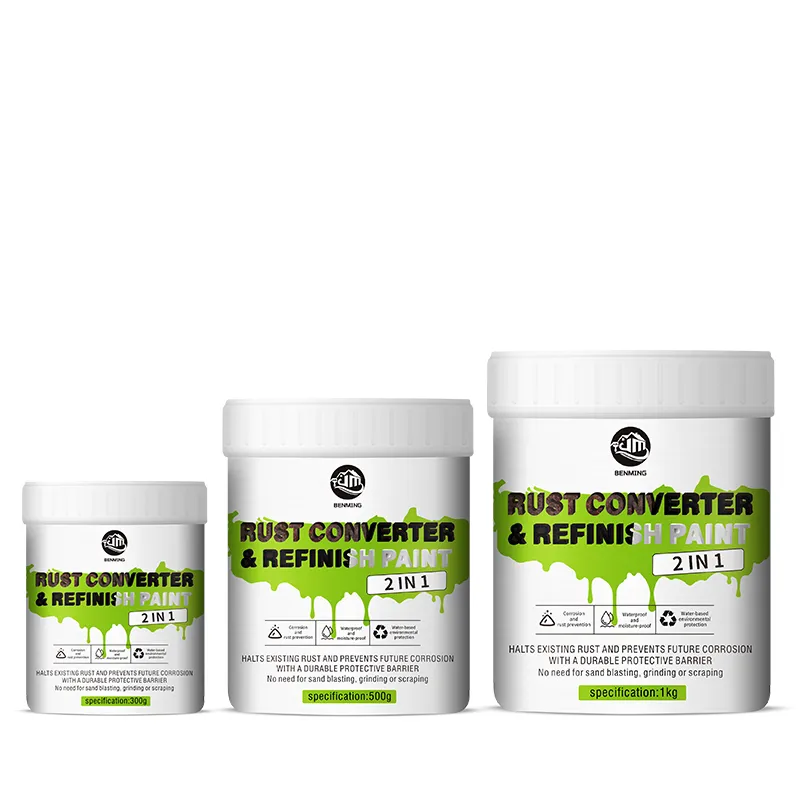
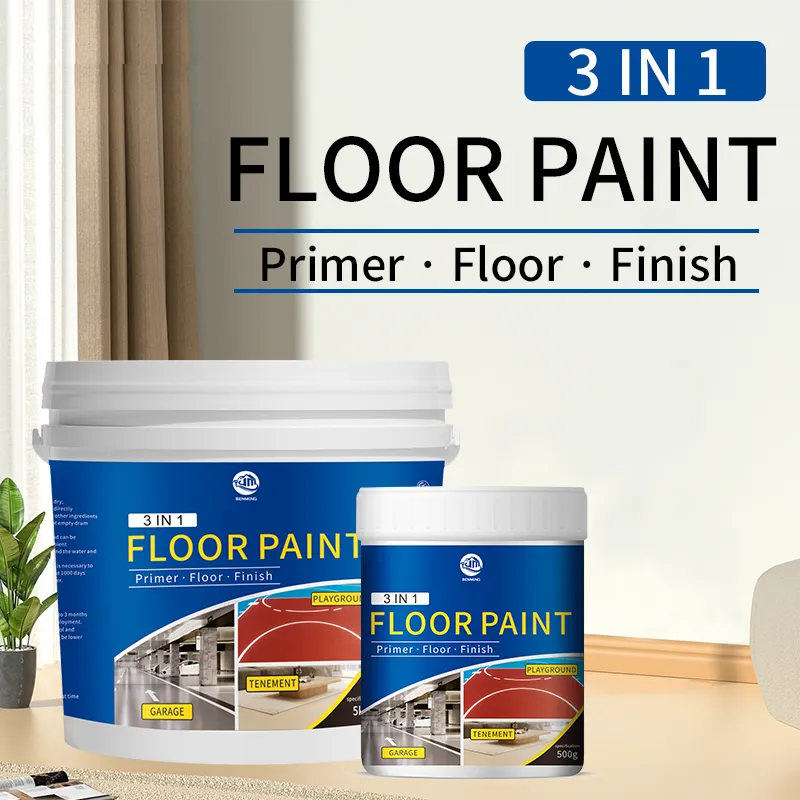
- heavy-duty industrial coating systems built for protection
- fast-application coating products built for speed and labor reduction
What’s interesting is that innovation is not just about performance anymore. It is also about reducing steps. Fewer coats. Faster curing. Less downtime.
Some manufacturers are quietly optimizing coatings not to last longer, but to install faster without losing minimum durability thresholds. That trade-off is becoming acceptable in many commercial projects.
And underneath all of this is a quieter trend: coating is being treated less like a material category and more like a system component—something that interacts with the entire lifecycle of a structure.
Keyword:
Latest News




Whatsapp/Phone:
+86-15385130613
E-mail: