Choosing the Right Home Wall Paint: Tips for Every Room
Jan 09,2026
Choosing the Right Home Wall Paint: Tips for Every Room
Understanding the Basics of Wall Paint
When embarking on a painting project, it’s vital to understand the different types of wall paints available. **Wall paint** comes in various formulations, including **latex**, **oil-based**, and **specialty paints**. Each type has unique properties suitable for different applications and environments.
1. **Latex Paint**: Water-based and easy to clean, latex paint is ideal for most interior walls. It dries quickly and has low odor, making it a popular choice for residential spaces.
2. **Oil-Based Paint**: Known for its durability and smooth finish, oil-based paint is perfect for high-traffic areas or surfaces that require extra protection. However, it has a longer drying time and strong fumes.
3. **Specialty Paints**: This category includes paints designed for specific purposes, such as mildew-resistant paints for bathrooms or chalkboard paint for creative spaces.
The Importance of Choosing the Right Color
Color plays a crucial role in setting the mood and atmosphere of a room. Selecting the right hue can affect how you feel when you enter the space. Here are some popular color choices based on room function:
- **Warm Colors**: Shades like red, orange, and yellow evoke warmth and energy, making them perfect for living rooms or dining areas where social interaction occurs.
- **Cool Colors**: Blues and greens create a calming atmosphere, suitable for bedrooms or bathrooms, promoting relaxation and tranquility.
- **Neutral Colors**: Whites, grays, and tans serve as versatile backgrounds that can complement any decor style. They work well in hallways and kitchens, providing a clean and open feel.
Color Psychology: Understanding Your Choices
Understanding the psychological effects of colors can significantly enhance your home’s design. For instance:
- **Blue**: Often associated with calmness and serenity, blue can help reduce stress levels.
- **Yellow**: A cheerful shade that stimulates positivity and creativity, making it great for playrooms or home offices.
- **Green**: Symbolizing nature, green promotes balance and harmony, making it an excellent choice for family rooms.
By considering the emotional impact of colors, you can make informed decisions that benefit your home’s atmosphere.
Choosing the Right Finish for Your Paint
The finish of your paint is just as important as the color. Different finishes can influence not only the appearance but also the durability of your walls.
1. **Flat/Matte Finish**: Ideal for low-traffic areas, this finish absorbs light and helps hide imperfections. It’s great for ceilings and bedrooms.
2. **Eggshell Finish**: Slightly more reflective than flat paint, eggshell offers a soft sheen and is easier to clean. It’s suitable for living rooms and dining areas.
3. **Satin Finish**: With a glossier look, satin finishes are durable and easy to maintain, making them ideal for kitchens and bathrooms.
4. **Semi-Gloss and Gloss Finish**: These finishes are the most durable and easy to clean, perfect for high-traffic areas and trim work. They reflect more light, adding brightness to the room.
Evaluating Room Functionality
As you choose paint for each room, consider how the space will be used. For example, **high-traffic areas** like hallways may benefit from more durable finishes, while bedrooms can explore tranquil colors and softer finishes.
Tips for Specific Rooms
**Living Room**: Consider warm, inviting colors like soft beige or terracotta. An eggshell or satin finish will hold up well against everyday wear.
**Kitchen**: Opt for a versatile color like a muted green or classic white. A satin finish can withstand moisture and stains, ensuring longevity.
**Bedroom**: For a restful retreat, use calming shades of blue or lavender. A flat finish can create a cozy atmosphere, while an eggshell finish adds a touch of elegance.
**Bathroom**: Moisture-resistant paints in light colors can make small spaces feel larger. Consider a satin finish for easy cleaning and mold resistance.
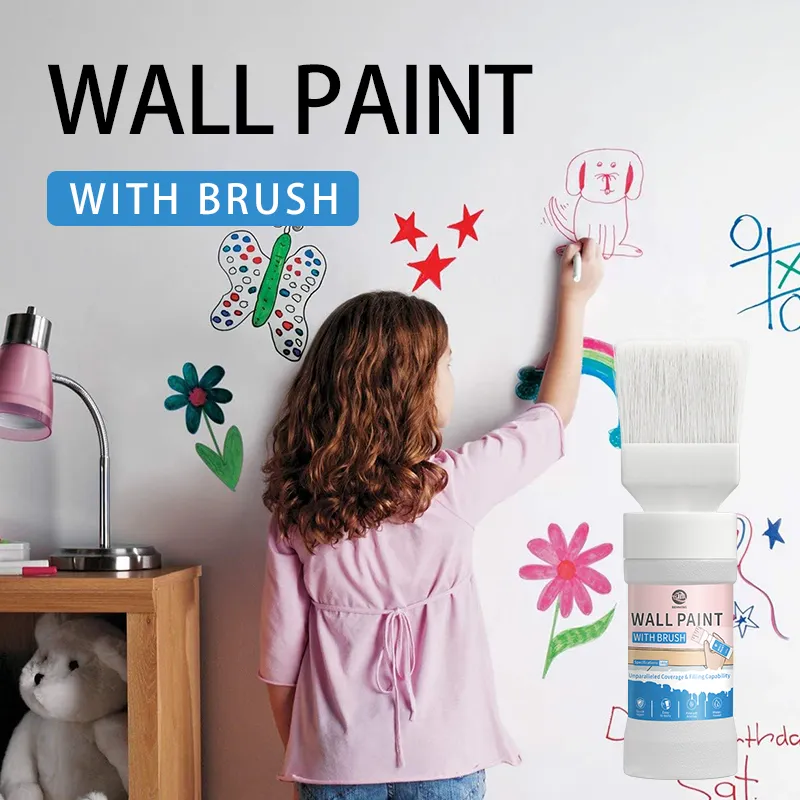
**Children’s Rooms**: Bright, fun colors can stimulate creativity. Use durable, washable paints in satin finishes to withstand wear and tear.
Practical Tips for Painting Your Home
Now that you’ve chosen colors and finishes, it’s time to dive into the actual painting process. Here are some practical tips to ensure a professional-looking result:
1. **Preparation is Key**: Always start with preparing the walls. Clean surfaces, fill in holes, and sand rough areas to create a smooth canvas.
2. **Use Quality Tools**: Invest in high-quality brushes and rollers. They make a significant difference in application and finish quality.
3. **Test Samples**: Before committing, test paint samples on your walls. Observe how they look at different times of the day.
4. **Paint in Sections**: Work in small sections to maintain a wet edge and avoid visible lines.
5. **Follow Up with a Second Coat**: A second coat often provides a more uniform finish and enhances color depth.
Maintaining Your Painted Walls
After your painting project is complete, proper maintenance will keep your walls looking pristine. Regular cleaning with gentle soap and water can help remove dust and stains. For high-traffic areas, consider touch-ups to keep the color fresh.
Frequently Asked Questions (FAQs)
1. How do I choose the right paint color for my home?
Choosing the right paint color involves considering the room's purpose, existing furnishings, and the mood you wish to create. Testing samples on your walls can help visualize the final outcome.
2. What type of paint finish is best for kitchens?
A satin or semi-gloss finish is ideal for kitchens due to its durability and easy maintenance. These finishes can withstand moisture and food splatters.
3. Can I use latex paint in bathrooms?
Yes, however, choose a latex paint specifically designed for high-moisture areas. These paints often include mildew-resistant properties.
4. How often should I repaint my home?
Repainting frequency depends on the paint quality and the room's traffic. Generally, living areas may need a fresh coat every 5–7 years, while kitchens and bathrooms may require more frequent touch-ups.
5. Are there eco-friendly paint options available?
Yes, many brands offer low-VOC (volatile organic compounds) or zero-VOC paints, which are better for indoor air quality and the environment.
Conclusion
Choosing the right wall paint for your home is a blend of art and science. By understanding the types of paint available, considering color psychology, and evaluating room functionality, you can create spaces that reflect your personality and enhance your lifestyle. With the right preparation and techniques, painting can transform your home into a vibrant, inviting oasis. Whether you're refreshing a single room or tackling the entire house, these tips will guide you in making informed decisions that lead to stunning results. Embrace the joy of painting and let your walls tell your story!
Keyword:
Latest News




Whatsapp/Phone:
+86-15385130613
E-mail: