Unlocking the Secrets of Home Wall Paint: A Guide for Professionals
Mar 26,2026
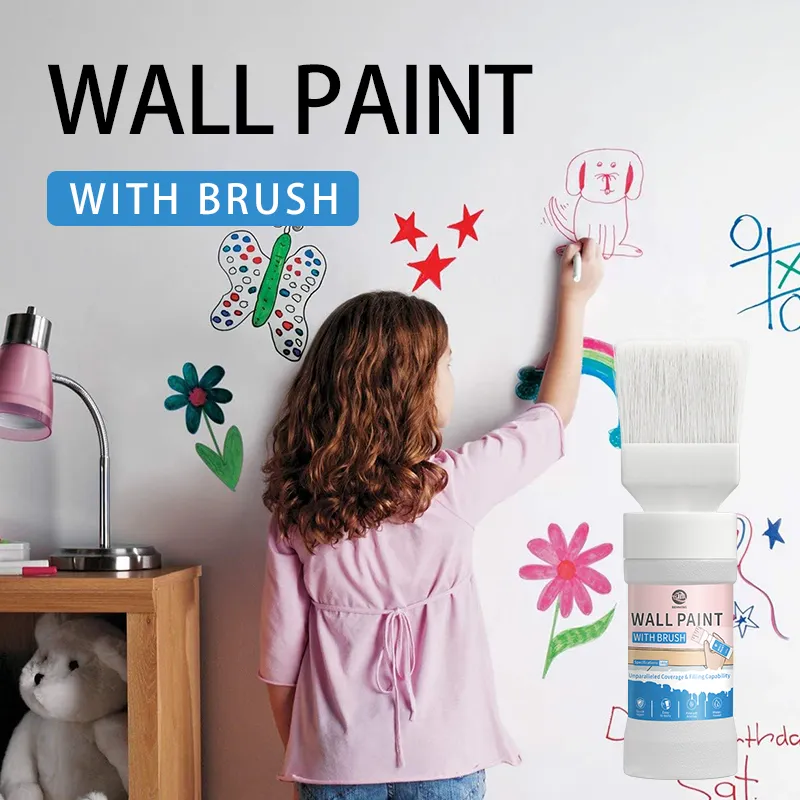
When it comes to home wall paint, understanding the nuances can greatly impact the final result of any painting project. Wall paint is not merely a decorative element; it serves several functional purposes, including protection and durability. In the world of coatings and paints, knowing the various types of wall paints available is crucial for professionals to offer the best recommendations to clients.
Firstly, home wall paints can generally be classified into two main categories: water-based and oil-based paints. Water-based paints, commonly known as latex paints, are preferred for interior walls due to their ease of application, quick drying time, and low volatile organic compound (VOC) levels, making them more environmentally friendly. On the other hand, oil-based paints provide a durable finish and are often used in high-traffic areas or surfaces that require additional protection, such as kitchens and bathrooms.
When selecting wall paint, it is also important to consider the finish. Common finishes include matte, eggshell, satin, semi-gloss, and gloss. The finish affects not only the aesthetic appeal but also the functionality of the paint. For example, matte finishes are excellent for hiding wall imperfections but may not be as washable, while semi-gloss and gloss finishes are more durable and easier to clean, making them suitable for high-moisture areas.
Another vital factor to consider is color selection. The color of wall paint can significantly influence the mood and perceived size of a room. Lighter colors tend to make spaces feel larger and more open, while darker colors can create a cozy and intimate atmosphere. Additionally, understanding color theory can help professionals advise clients on complementary colors and trends, ensuring that the chosen palette aligns with the client's vision and lifestyle.
Moreover, the application technique can greatly affect the outcome of the paint job. Professionals should emphasize proper surface preparation, including cleaning, priming, and repairing any damages before painting. This not only ensures better adhesion but also extends the life of the paint. Techniques such as rolling, brushing, or spray painting each have their unique advantages and should be chosen based on the specific project requirements.
Lastly, educating clients about the importance of maintenance is essential. Regular cleaning and touch-ups can prolong the life of home wall paint, keeping interiors looking fresh and vibrant. Professionals should encourage clients to select paints with good washability and stain resistance, which can simplify maintenance efforts over time.
In conclusion, understanding the intricacies of home wall paint, including types, finishes, colors, and application techniques, is invaluable for professionals in the coatings industry. By equipping themselves with this knowledge, they can better serve their clients and ensure successful outcomes in every painting project.
Keyword:
Latest News




Whatsapp/Phone:
+86-15385130613
E-mail: