Choosing the Right Anti Slip Interior Solutions for Your Space: A Comprehensive Guide
Mar 31,2026
Choosing the Right Anti Slip Interior Solutions for Your Space
When it comes to ensuring safety within interior spaces, particularly in environments prone to moisture or heavy foot traffic, selecting the right anti-slip solutions is paramount. Not only do these solutions help minimize the risk of slips and falls, but they also enhance the aesthetic appeal of your interiors. In this comprehensive guide, we will explore various anti-slip options available, factors to consider when making a selection, and maintenance tips to ensure longevity and effectiveness.
Table of Contents
1. Understanding Anti Slip Solutions
2. The Importance of Anti Slip Solutions in Interior Spaces
3. Types of Anti Slip Interior Materials
- 3.1 Anti Slip Tiles
- 3.2 Anti Slip Paints
- 3.3 Anti Slip Vinyl Flooring
4. Factors to Consider When Choosing Anti Slip Solutions
- 4.1 Traffic Levels
- 4.2 Aesthetic Design
- 4.3 Maintenance Requirements
5. Installation Process of Anti Slip Solutions
6. Maintaining Your Anti Slip Solutions
7. Cost Considerations for Anti Slip Solutions
8. Conclusion
9. Frequently Asked Questions
Understanding Anti Slip Solutions
Anti-slip solutions are materials or coatings designed to increase the friction between surfaces, thus reducing the likelihood of slipping. These solutions are essential in various settings, including homes, offices, restaurants, and industrial spaces. By understanding the fundamentals of anti-slip solutions, we can better appreciate their value and application.
The Importance of Anti Slip Solutions in Interior Spaces
Slips and falls are among the leading causes of injuries across various environments. Choosing the right anti-slip solutions not only mitigates these risks but also ensures compliance with safety regulations. Whether for residential areas where children and elderly individuals reside or commercial spaces where employees and customers frequent, implementing effective anti-slip measures is crucial for safeguarding everyone.
Types of Anti Slip Interior Materials
There are several types of materials used to create anti-slip surfaces. Each comes with its unique benefits and applications. Understanding these options helps in making an informed choice suited to your specific needs.
Anti Slip Tiles
Anti-slip tiles are a popular choice for areas such as kitchens, bathrooms, and entryways. These tiles are manufactured with textured surfaces that provide superior grip. They come in various designs, colors, and sizes, allowing for versatile interior design options. Most anti-slip tiles are made from ceramic, porcelain, or natural stone, ensuring durability and safety.
Anti Slip Paints
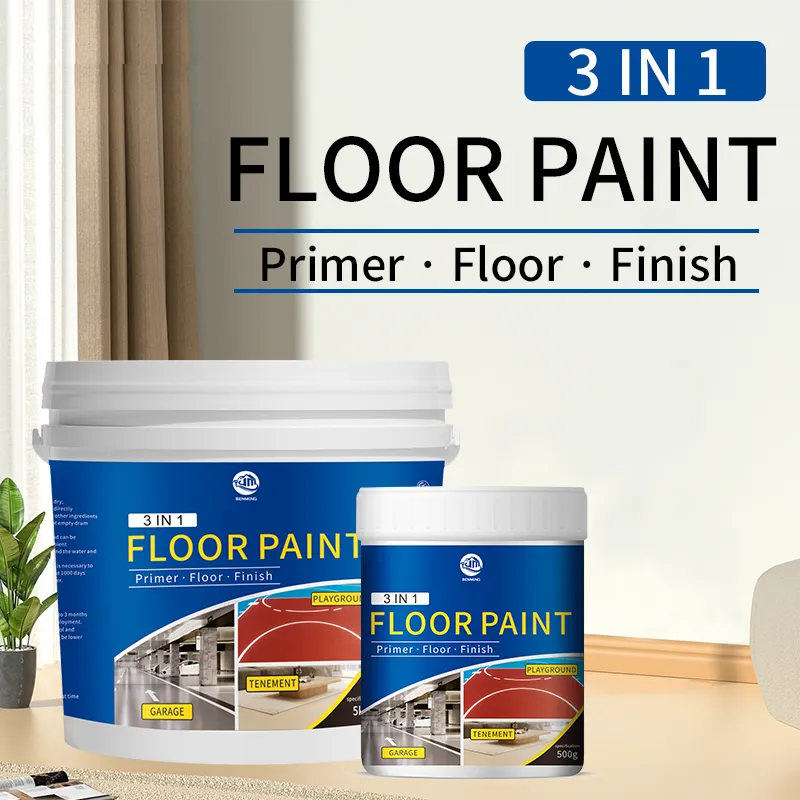
Anti-slip paints are an effective method for enhancing surface grip without changing the existing floor material. These paints contain additives that create a rough texture when applied. They can be used on various surfaces, including concrete, wood, and metal. Ideal for places that require frequent cleaning, anti-slip paints maintain their effectiveness while providing a protective layer.
Anti Slip Vinyl Flooring
For those seeking a softer touch underfoot, anti-slip vinyl flooring is an excellent choice. This flooring option combines comfort and safety, making it ideal for residential spaces. Many anti-slip vinyl products come with a variety of designs and patterns, allowing homeowners to achieve the desired aesthetic while ensuring safety.
Factors to Consider When Choosing Anti Slip Solutions
When selecting anti-slip solutions, several factors must be considered to ensure the chosen option meets the specific needs of the space.
Traffic Levels
Understanding the level of foot traffic in the area is crucial. High-traffic areas, such as hallways and commercial spaces, require materials that are not only anti-slip but also durable enough to withstand constant use. Conversely, low-traffic areas might afford more flexibility in terms of style and material choice.
Aesthetic Design
While safety is paramount, the design should not be overlooked. The chosen anti-slip solution must complement the overall interior design theme. Consider colors, textures, and patterns that blend seamlessly with existing decor, ensuring that safety does not compromise the visual appeal of the space.
Maintenance Requirements
Different anti-slip materials come with varying maintenance needs. Some may require regular cleaning or resealing to maintain their effectiveness, while others might be more forgiving. Assessing the level of maintenance you can commit to will influence your choice significantly.
Installation Process of Anti Slip Solutions
The installation process for anti-slip materials can vary depending on the type chosen. For instance, anti-slip tiles may require professional installation to ensure they are laid correctly and adhere to safety standards. On the other hand, anti-slip paint can often be a DIY project if one follows the manufacturer’s instructions carefully.
Maintaining Your Anti Slip Solutions
Proper maintenance is essential to ensure the longevity and effectiveness of anti-slip solutions. Regular cleaning is fundamental, as dirt and grime can degrade the surface's grip. Depending on the material, additional maintenance steps may include resealing tiles or recoating painted surfaces periodically.
Cost Considerations for Anti Slip Solutions
The cost of implementing anti-slip solutions can vary widely based on the material chosen, the area to be covered, and installation fees. It’s essential to budget appropriately and seek quotes from multiple vendors to find solutions that fit your financial plan without sacrificing safety or quality.
Conclusion
Choosing the right anti-slip interior solutions for your space is a critical decision that combines safety, aesthetics, and practicality. By understanding the types of materials available, assessing traffic levels, and considering maintenance requirements, you can make choices that not only enhance safety but also elevate the visual appeal of your interiors. Investing in high-quality anti-slip solutions today will provide peace of mind and long-term benefits for years to come.
Frequently Asked Questions
1. What are the best anti-slip materials for homes?
The best anti-slip materials for homes include anti-slip tiles, vinyl flooring, and anti-slip paints. Each option provides a different aesthetic while ensuring safety.
2. How often should I maintain my anti-slip surfaces?
Regular cleaning is essential, but the frequency of maintenance depends on the material. Typically, resealing or recoating is recommended every 1-3 years.
3. Can anti-slip paints be used outdoors?
Yes, many anti-slip paints are designed for both indoor and outdoor use, offering protection against slipping in various environments.
4. Are anti-slip solutions expensive?
Costs can vary significantly based on the material and area covered. It's advisable to gather multiple quotes to find a solution that fits your budget.
5. How do I choose the right anti-slip solution for high-traffic areas?
For high-traffic areas, opt for durable solutions like anti-slip tiles or vinyl flooring that are specifically designed to withstand heavy use while providing grip.
Keyword:
Latest News




Whatsapp/Phone:
+86-15385130613
E-mail: