Mastering Interior Wood Paint: Essential Tips for a Flawless Finish
Jun 04,2026
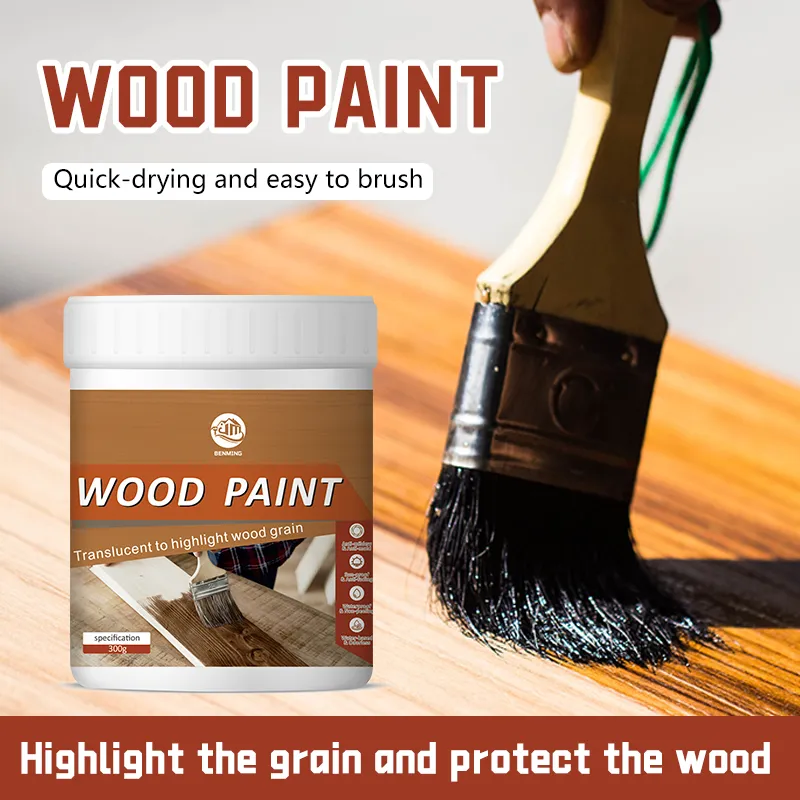
When it comes to enhancing the beauty and longevity of wood surfaces within your home, choosing the right interior wood paint is crucial. This guide covers essential tips and techniques to help you navigate the world of wood finishing, ensuring your projects not only look great but also stand the test of time.
**Types of Interior Wood Paint**
Interior wood paints come in various formulations, primarily categorized into water-based and oil-based paints. Water-based paints are known for their low odor, quick drying time, and easy cleanup, making them a popular choice for indoor applications. They also tend to be less toxic, which is beneficial for indoor air quality. On the other hand, oil-based paints offer a harder finish and superior durability, making them ideal for high-traffic areas or pieces subjected to wear and tear.
**Preparation is Key**
Before applying any interior wood paint, it's essential to prepare the surface properly. Start by cleaning the wood to remove any dust, grease, or old finishes that could interfere with adhesion. Sanding the surface lightly will create a smooth texture and help the paint bond better. For raw wood, consider applying a primer to seal the surface and enhance the paint’s color vibrancy and durability.
**Application Techniques**
When applying interior wood paint, use high-quality brushes or rollers to achieve a uniform finish. Start with a thin coat and allow it to dry completely before applying additional layers. This technique helps prevent drips and uneven textures. For intricate woodwork, such as moldings or furniture, a brush may provide better control, while a roller can be advantageous for flat surfaces.
**Finishing Touches**
Once the desired number of coats is applied and dried, consider adding a topcoat for extra protection. Clear finishes can enhance the paint's appearance, adding depth and richness to the color. They also provide a layer of protection against scratches and stains, prolonging the life of your painted surfaces.
**Maintenance Tips**
To keep your wood surfaces looking pristine, regular maintenance is vital. Clean painted wood with a gentle soap and water solution, avoiding harsh chemicals that can degrade the paint. Additionally, inspect for any areas showing signs of wear or damage, and address them promptly to maintain the integrity of the finish.
In conclusion, mastering the art of interior wood paint involves understanding the different types of paints available, preparing surfaces adequately, and applying techniques that yield a flawless finish. Whether you’re a professional in the industry or a DIY enthusiast, these tips can guide you in achieving stunning results that enhance the aesthetic appeal of any interior wood project.
**Types of Interior Wood Paint**
Interior wood paints come in various formulations, primarily categorized into water-based and oil-based paints. Water-based paints are known for their low odor, quick drying time, and easy cleanup, making them a popular choice for indoor applications. They also tend to be less toxic, which is beneficial for indoor air quality. On the other hand, oil-based paints offer a harder finish and superior durability, making them ideal for high-traffic areas or pieces subjected to wear and tear.
**Preparation is Key**
Before applying any interior wood paint, it's essential to prepare the surface properly. Start by cleaning the wood to remove any dust, grease, or old finishes that could interfere with adhesion. Sanding the surface lightly will create a smooth texture and help the paint bond better. For raw wood, consider applying a primer to seal the surface and enhance the paint’s color vibrancy and durability.
**Application Techniques**
When applying interior wood paint, use high-quality brushes or rollers to achieve a uniform finish. Start with a thin coat and allow it to dry completely before applying additional layers. This technique helps prevent drips and uneven textures. For intricate woodwork, such as moldings or furniture, a brush may provide better control, while a roller can be advantageous for flat surfaces.
**Finishing Touches**
Once the desired number of coats is applied and dried, consider adding a topcoat for extra protection. Clear finishes can enhance the paint's appearance, adding depth and richness to the color. They also provide a layer of protection against scratches and stains, prolonging the life of your painted surfaces.
**Maintenance Tips**
To keep your wood surfaces looking pristine, regular maintenance is vital. Clean painted wood with a gentle soap and water solution, avoiding harsh chemicals that can degrade the paint. Additionally, inspect for any areas showing signs of wear or damage, and address them promptly to maintain the integrity of the finish.
In conclusion, mastering the art of interior wood paint involves understanding the different types of paints available, preparing surfaces adequately, and applying techniques that yield a flawless finish. Whether you’re a professional in the industry or a DIY enthusiast, these tips can guide you in achieving stunning results that enhance the aesthetic appeal of any interior wood project.
Keyword:
Latest News



Whatsapp/Phone:
+86-15385130613
E-mail:
info@benminggroup.com