Understanding Anti-Slip Interior Solutions for Enhanced Safety
Apr 25,2026
In various settings, particularly in commercial and industrial environments, the concept of anti-slip interiors is gaining prominence. This is largely due to the increasing awareness of safety and the need to minimize slip and fall accidents. Anti-slip coatings or treatments play a vital role in ensuring that flooring surfaces provide the necessary traction for safe movement.
Anti-slip interior solutions incorporate specialized materials and technologies designed to enhance the friction of surfaces, significantly reducing the risk of slips. These solutions are particularly essential in areas prone to moisture, such as kitchens, bathrooms, and entryways, where spills are common. By applying anti-slip coatings, businesses can better protect employees, clients, and visitors from potential accidents.
One crucial aspect to consider when selecting an anti-slip interior solution is the surface texture. The degree of slip resistance can vary significantly based on the texture of the applied coating. For example, rougher textures can offer higher traction, but they may also be more challenging to clean. Conversely, smoother finishes might facilitate easier maintenance but may not provide adequate slip resistance. Thus, evaluating the balance between safety and cleanliness is essential for optimal results.
Moreover, the durability of anti-slip coatings is another critical factor. High-quality products should withstand heavy foot traffic, cleaning processes, and environmental factors without losing their effectiveness. It’s advisable to seek solutions that are specifically formulated for long-lasting performance, ensuring that the safety of the flooring is maintained over time.
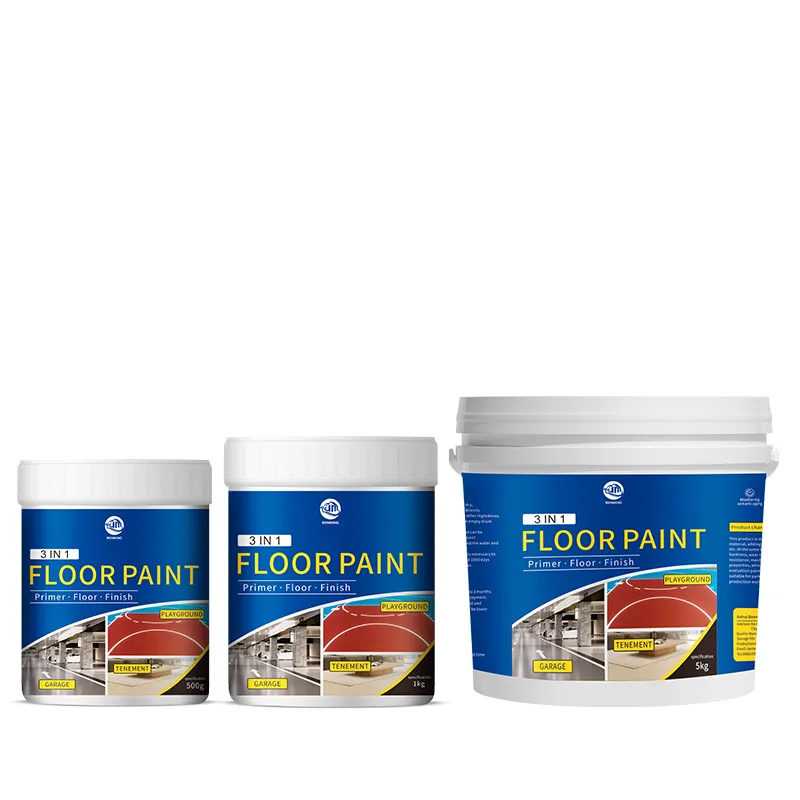
The application process of anti-slip coatings typically involves several steps, including surface preparation, application, and curing. Proper surface preparation is vital for the adhesion of the coating, as any dirt, grease, or moisture can compromise its effectiveness. Professionals in the field often recommend using primers or bonding agents to improve adhesion before applying the anti-slip layer.
After the application, it’s crucial to observe the curing time as specified by the manufacturer to achieve the best results. This ensures that the coating achieves its maximum slip resistance effectively. Regular maintenance and inspections are also recommended to monitor the condition of the anti-slip surface and address any wear and tear promptly.
In conclusion, integrating anti-slip interior solutions into your environment is essential for enhancing safety and minimizing the risk of accidents. By understanding the characteristics, benefits, and application processes of these coatings, professionals can make informed decisions that promote safety without compromising aesthetics. Investing in quality anti-slip solutions is not only a proactive approach to safety but also a significant step towards fostering a secure and compliant working environment.
Anti-slip interior solutions incorporate specialized materials and technologies designed to enhance the friction of surfaces, significantly reducing the risk of slips. These solutions are particularly essential in areas prone to moisture, such as kitchens, bathrooms, and entryways, where spills are common. By applying anti-slip coatings, businesses can better protect employees, clients, and visitors from potential accidents.
One crucial aspect to consider when selecting an anti-slip interior solution is the surface texture. The degree of slip resistance can vary significantly based on the texture of the applied coating. For example, rougher textures can offer higher traction, but they may also be more challenging to clean. Conversely, smoother finishes might facilitate easier maintenance but may not provide adequate slip resistance. Thus, evaluating the balance between safety and cleanliness is essential for optimal results.
Moreover, the durability of anti-slip coatings is another critical factor. High-quality products should withstand heavy foot traffic, cleaning processes, and environmental factors without losing their effectiveness. It’s advisable to seek solutions that are specifically formulated for long-lasting performance, ensuring that the safety of the flooring is maintained over time.
The application process of anti-slip coatings typically involves several steps, including surface preparation, application, and curing. Proper surface preparation is vital for the adhesion of the coating, as any dirt, grease, or moisture can compromise its effectiveness. Professionals in the field often recommend using primers or bonding agents to improve adhesion before applying the anti-slip layer.
After the application, it’s crucial to observe the curing time as specified by the manufacturer to achieve the best results. This ensures that the coating achieves its maximum slip resistance effectively. Regular maintenance and inspections are also recommended to monitor the condition of the anti-slip surface and address any wear and tear promptly.
In conclusion, integrating anti-slip interior solutions into your environment is essential for enhancing safety and minimizing the risk of accidents. By understanding the characteristics, benefits, and application processes of these coatings, professionals can make informed decisions that promote safety without compromising aesthetics. Investing in quality anti-slip solutions is not only a proactive approach to safety but also a significant step towards fostering a secure and compliant working environment.
Keyword:
Latest News



Whatsapp/Phone:
+86-15385130613
E-mail:
info@benminggroup.com