Understanding Interior Wood Paint: A Comprehensive Guide for Professionals
Sep 28,2026
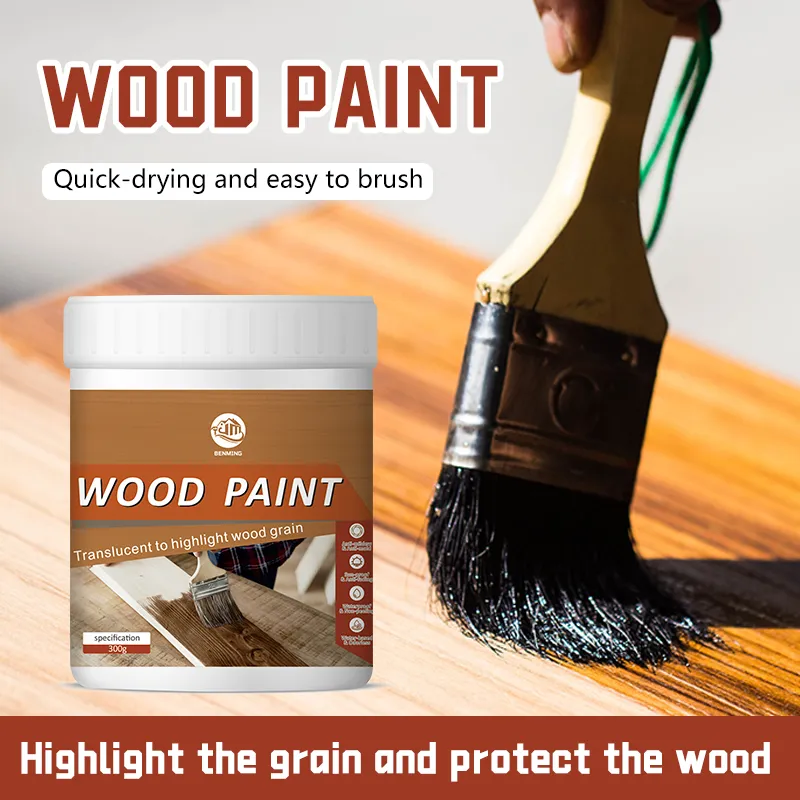
Interior wood paint is an essential component in the finishing process of wooden surfaces, providing aesthetic appeal while protecting against wear and tear. As a professional in the coatings and sealants industry, understanding the nuances of interior wood paint can significantly enhance your projects and client satisfaction.
When selecting interior wood paint, it's crucial to consider the type of paint that best suits your project. Broadly, there are two primary categories: oil-based and water-based paints. Oil-based paints are renowned for their durability and rich finish, making them ideal for high-traffic areas. However, they require longer drying times and may emit stronger odors during application. In contrast, water-based paints are favored for their quick-drying properties, ease of cleanup, and lower environmental impact. They also offer excellent color retention and flexibility, making them suitable for a wide range of interior applications.
In addition to the type of paint, understanding the application process is vital for achieving a high-quality finish. Proper surface preparation is the foundation of a successful paint job. This involves cleaning the wood surface to remove dust, grease, and previous finishes. Sanding the wood not only smooths out imperfections but also helps the paint adhere better. A primer is often recommended, especially for raw wood or when transitioning between different paint types. Priming ensures a uniform finish and enhances the paint's durability.
Choosing the right finish is another critical factor in interior wood paint projects. Finishes range from matte to glossy, each offering distinct qualities that impact both appearance and performance. A satin or eggshell finish can provide a balance between elegance and durability, making it suitable for living spaces, while a high-gloss finish can add a modern touch and increase resistance to stains and scratches, ideal for kitchen cabinetry and furniture.
Environmental considerations are increasingly influencing the choice of interior wood paint. Many professionals are now opting for low-VOC or zero-VOC options, which minimize harmful emissions and contribute to better indoor air quality. These environmentally friendly products do not compromise on performance and provide a safer working environment.
Moreover, staying updated on industry trends, innovations, and regulations is vital for professionals in the field. New formulations and technologies continuously emerge, enhancing the performance and sustainability of interior wood paints. Utilizing such advancements can set you apart in a competitive market.
In conclusion, a thorough understanding of interior wood paint—its types, application methods, finishes, and environmental impact—is indispensable for professionals in the coatings and sealants industry. By mastering these elements, you can ensure exceptional outcomes in your projects, ultimately leading to increased client satisfaction and success in your business endeavors.
Keyword:
Latest News




Whatsapp/Phone:
+86-15385130613
E-mail: